
Fraeloth

Fraeloth Logo

Rehabilitation Programs That Work

We've been helping people rebuild their lives since 2018. Our team works directly with individuals facing physical, cognitive, and behavioral challenges—often working with those who've tried other approaches without success.

Most of our clients come through referrals from healthcare providers across northern Taiwan. They appreciate that we focus on practical outcomes rather than theoretical frameworks. What matters is whether someone can return to their daily routine with confidence.

And look—rehabilitation isn't quick. It takes commitment from everyone involved. But when families tell us their loved one can now prepare meals independently or returned to work after months of uncertainty, that's what keeps us going.

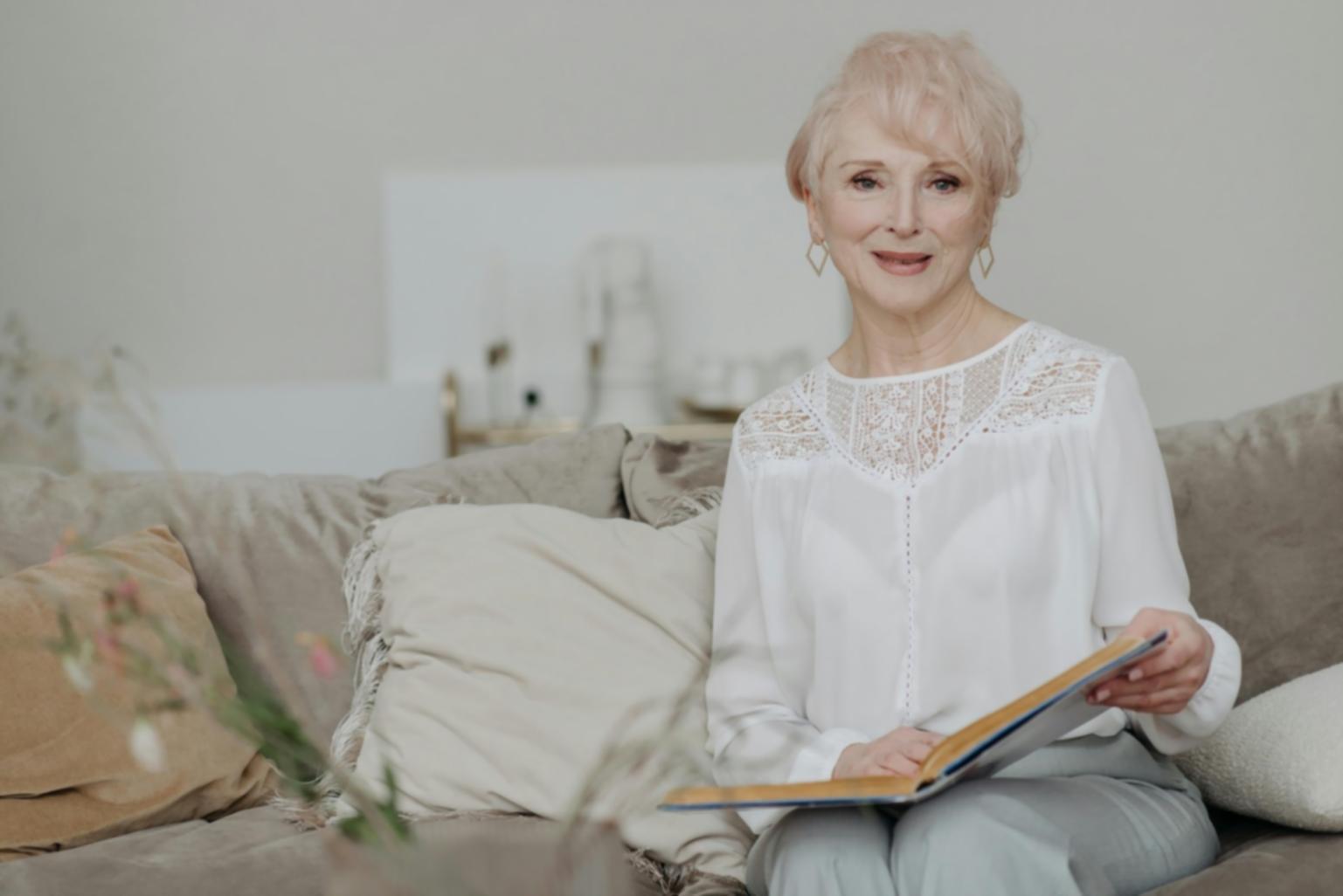
Rehabilitation specialist working with client in therapy session

Our Core Programs

Each program adapts to individual needs. We don't believe in cookie-cutter approaches because people heal differently.

Physical Rehabilitation

This program focuses on mobility restoration after injury or surgery. We work with stroke survivors, accident victims, and people recovering from orthopedic procedures.

  • Movement assessment and baseline tracking
  • Strength rebuilding through targeted exercises
  • Balance training to prevent future injuries
  • Pain management techniques
  • Home adaptation recommendations

Sessions typically run 45-60 minutes, three times weekly. Progress varies—some clients regain function within weeks, others need several months of consistent work.

Cognitive Recovery Support

Brain injuries, dementia, and neurological conditions affect memory, attention, and decision-making. This program helps people regain cognitive abilities or develop compensatory strategies.

  • Memory enhancement exercises
  • Attention span development
  • Problem-solving skill rebuilding
  • Communication therapy for aphasia
  • Daily routine structure creation

We often coordinate with neurologists and psychiatrists. Family involvement makes a real difference here—practicing techniques at home accelerates improvement.

Behavioral Adjustment Programs

Substance recovery, anger management, and behavioral health challenges require specialized support. This program combines counseling with practical coping strategies.

  • Trigger identification and avoidance planning
  • Stress response management
  • Healthy habit formation
  • Social skill development
  • Relapse prevention techniques

These programs demand genuine commitment. We've learned that success comes from building sustainable routines, not willpower alone.

Integrated Recovery Plans

Many clients face multiple challenges simultaneously. Someone recovering from a car accident might need both physical therapy and help processing trauma.

  • Cross-disciplinary team coordination
  • Holistic assessment of all recovery needs
  • Unified progress tracking
  • Family education and involvement
  • Community resource connection

This approach requires more time upfront but often leads to better long-term outcomes. We schedule regular team meetings to adjust strategies as needs evolve.

Group therapy session with rehabilitation participants

Why Our Approach Differs

We don't rush people through standardized programs. Every recovery journey has setbacks—that's normal. What matters is having support when challenges arise.

Our specialists stay with clients throughout their recovery. You won't get passed between different therapists every few weeks. Continuity builds trust, which directly affects outcomes.

We also prioritize practical application. If you're learning balance exercises, we practice them in situations you'll actually encounter—like navigating crowded sidewalks or climbing stairs with groceries.
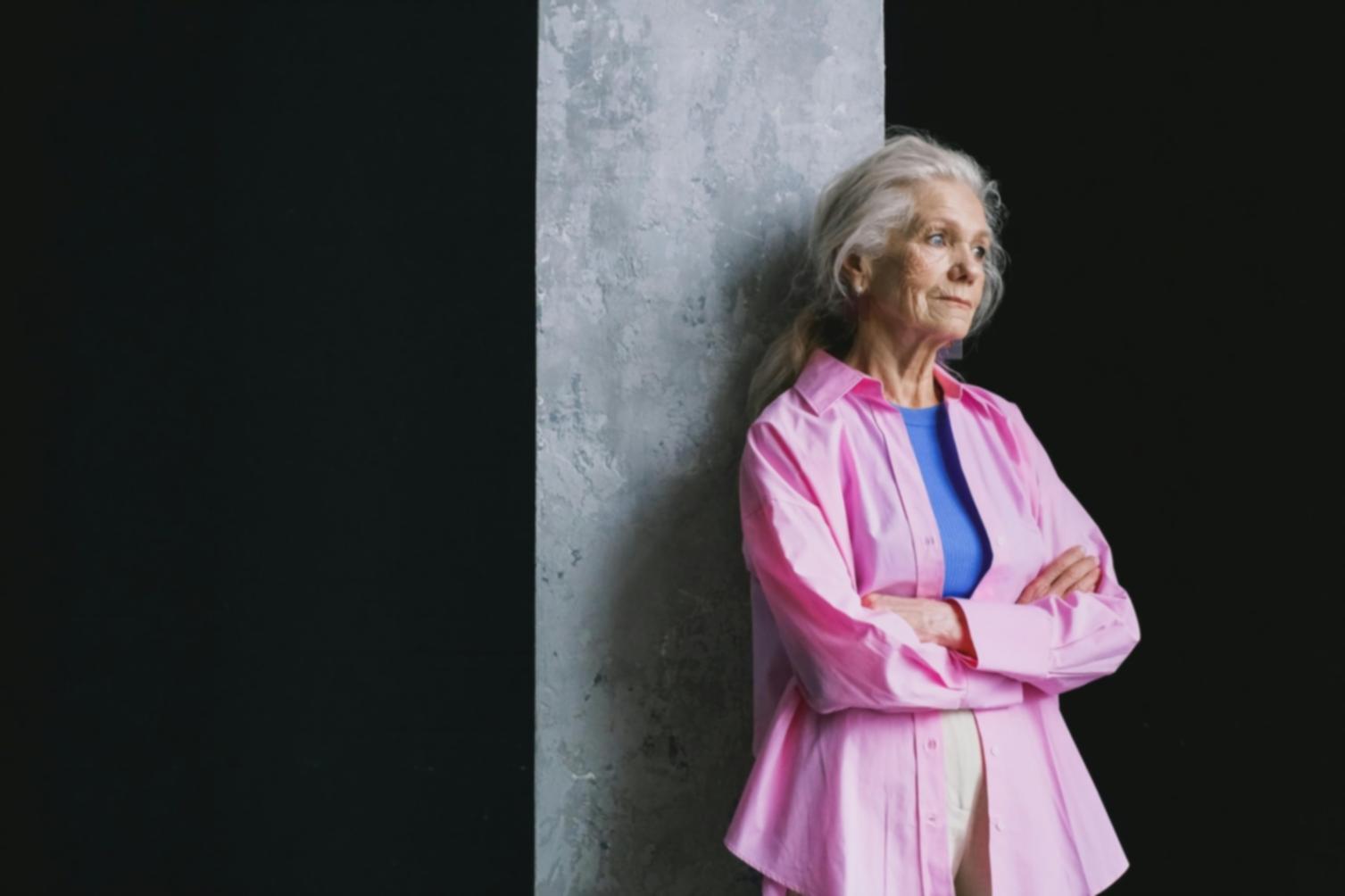
Therapist demonstrating rehabilitation technique with equipment

How We Structure Recovery

There's no magic formula. But years of experience taught us that certain principles consistently improve outcomes. Here's how we organize the rehabilitation process.

This isn't rigid—we adjust based on what works for each person. Some clients progress faster through certain phases, others need more time on specific skills.

1

Comprehensive Initial Assessment

We spend 90-120 minutes understanding your situation. Medical history matters, but so do your daily routines, living environment, and personal goals. This assessment shapes everything that follows.

2

Personalized Plan Development

Based on the assessment, we create a recovery roadmap with specific milestones. These aren't arbitrary targets—they're meaningful abilities you want to regain. Family input helps here.

3

Active Rehabilitation Phase

This is where the real work happens. Regular sessions, home exercises, and consistent practice. We track progress weekly and adjust techniques when something isn't working. Expect honest feedback.

4

Independence Transition

As you improve, we gradually reduce support. You'll practice skills with less supervision, identify problems independently, and build confidence. This phase prevents dependency on ongoing therapy.

5

Follow-Up Support

Recovery doesn't end when formal sessions stop. We schedule check-ins at 1, 3, and 6 months. If challenges emerge, you can return for additional support without starting over.